


Benefits of bilingual Montessori education from age 2
Starting bilingual education at age 2 offers cognitive, social, and long-term academic advantages—especially when combined with Montessori pedagogy. At La Nouvelle École, our bilingual Montessori approach in Paris 7th and Geneva Old Town helps young learners develop naturally in both French and English while building independence and confidence.
Why Age 2 Is the Ideal Time to Start
Research shows children under 6 absorb languages effortlessly during their "sensitive period" for language acquisition—they distinguish sounds, grammar patterns, and vocabulary across two languages without conscious effort.
Starting at age 2 means:
Natural pronunciation and accent in both French and English
Cognitive flexibility that enhances problem-solving and creativity
Seamless integration of both languages into daily routines (greetings, songs, sensorial activities)
Our bilingual toddler program immerses 2-3 year olds in French mornings and English afternoons, with native-speaking educators guiding practical life activities, language games, and outdoor exploration.


How Montessori Supports Bilingual Learning
Montessori education prioritizes hands-on, self-directed learning—perfect for bilingual development because children learn by doing, not memorizing.
Key Montessori principles that enhance bilingualism:
Mixed-age groups where older children model language naturally to younger peers
Freedom of choice allowing children to work with materials in whichever language feels comfortable
Concrete learning materials (sandpaper letters, object boxes) that connect words directly to sensory experiences
One-on-one lessons from educators who speak exclusively in their native language (OPOL method)
At La Nouvelle École, our Montessori-trained teachers use French and English throughout activities like pouring, sorting, and storytelling, so children internalize both languages through meaningful context.
Long-Term Academic Advantages
Children who start bilingual education before age 3 consistently outperform monolingual peers in executive function tasks (focus, working memory, cognitive control) and show stronger literacy skills when formal reading begins.
For families planning to stay in France or Switzerland:
Strong French foundation prepares children for entry into public maternelle or primaire
English fluency opens doors to international schools or IB programs later
For expat families who may relocate:
Dual-language skills ease transitions to schools anywhere in the world
Familiarity with both French and international curricula provides flexibility
Read parent testimonials about how our graduates transition smoothly to French public schools, international programs, or other cities.


Social-Emotional Benefits for Young Bilinguals
Bilingual children develop enhanced social skills because they learn early to adapt communication style based on their listener—a toddler speaking French with one teacher and English with another practices empathy and flexibility daily.
Additional benefits include:
Increased cultural awareness from exposure to songs, stories, and traditions in both languages
Stronger peer relationships in mixed-language environments
Greater confidence navigating new situations or meeting unfamiliar adults
Our small class sizes (max 15 children) and bilingual staff create a safe, nurturing space where every child feels understood in both languages.
What a Bilingual Montessori Day Looks Like
At La Nouvelle École Paris and Geneva, a typical day for 2-6 year olds includes:
Morning circle in French (songs, calendar, weather)
Montessori work cycle with mixed French/English materials
Outdoor play in Parc Sainte-Périne or Geneva's Old Town gardens with bilingual conversations
Lunch and storytelling in English
Afternoon creative workshops (art, music, cooking) led by native English speakers
Children experience 50/50 exposure to both languages daily, ensuring balanced development without overwhelming young learners.
How to Get Started
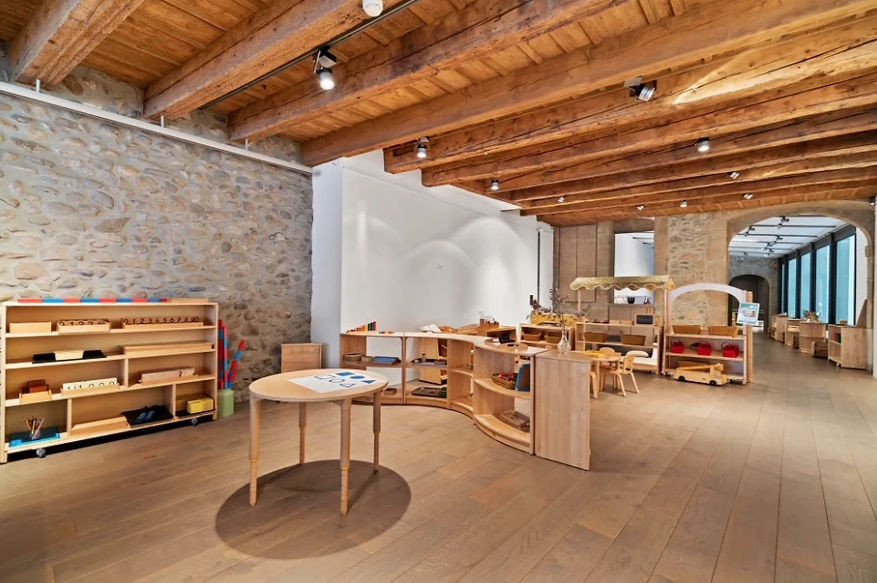
If you're considering bilingual Montessori education for your 2-3 year old, visit us to see our approach in action. Book a tour at La Nouvelle École Paris or Geneva to meet our team, explore our classrooms, and discuss your child's language goals.
For families new to bilingualism, we also offer bilingual holiday camps during school breaks—a great way to try immersive learning before committing to full enrollment.

Comments